
What Does “Recovery” Really Mean?
There is no single definition of recovery that fits every person.
For some people, recovery includes complete abstinence from alcohol and other drugs. For others, it begins with reducing risk, receiving medication, improving health or creating greater stability.
Recovery may include:
- Medication for opioid use disorder
- Counseling or therapy
- Peer support
- Mutual-aid or recovery meetings
- Harm-reduction services
- Reconnecting with family or community
- Stable housing and employment
- Mental-health care
- Spiritual or personal practices
- Recreation, creativity and meaningful activity
A person does not need to follow someone else’s pathway for their progress to be real.
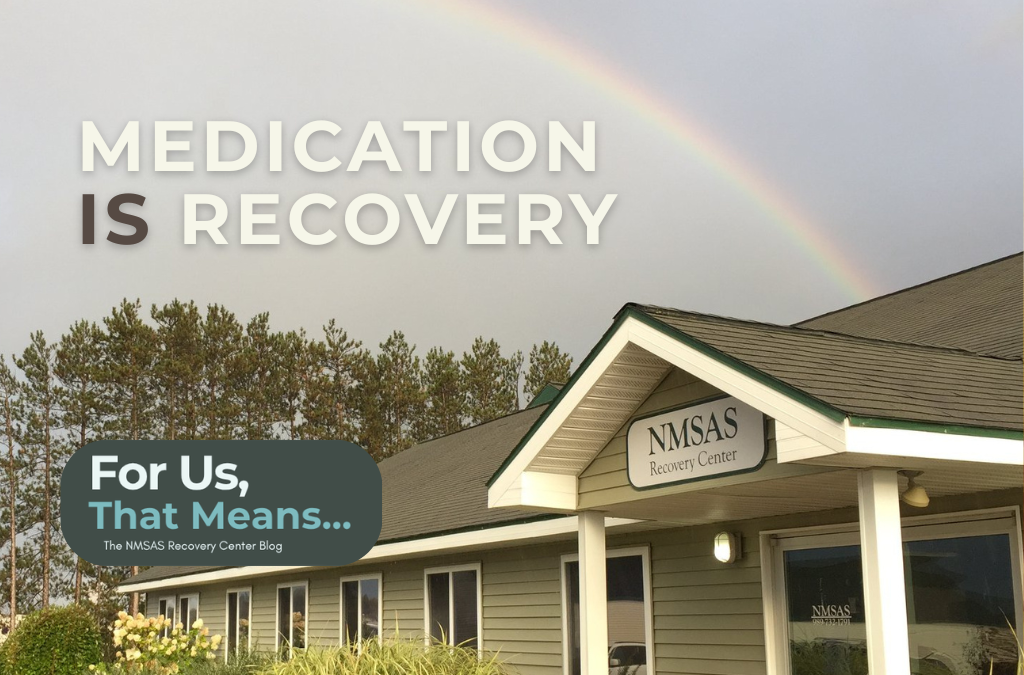
Medication Is Recovery
Methadone and buprenorphine are evidence-based medications used to treat opioid use disorder.
These medications can:
- Reduce cravings
- Reduce withdrawal symptoms
- Lower the risk of overdose
- Help people remain engaged in treatment
- Create stability that supports other areas of recovery
Using medication as prescribed is not “replacing one drug with another.” It is receiving medical treatment for a health condition.
At NMSAS, we believe people deserve access to care without shame.
Recovery Is Not Always a Straight Line
A return to use does not erase the progress a person has made.
It may signal that a treatment plan, level of support, environment or coping strategy needs to change. It should be met with concern, honesty and renewed support—not humiliation.
The most important next step is often reconnecting with care as quickly as possible.
A SIMPLE QUESTION TO CONSIDER
Instead of asking:
“Why can’t this person just stop?”
Try asking:
“What support, safety or connection might this person need next?”